Source Hand Made Hardwood Tsuba Anime Sword for Cosplay, Home Decor, and Collection
Find and compare 20 listings for hand made hardwood tsuba anime sword products from verified suppliers. Buyers can evaluate options for cosplay props, home decorations, and souvenir collections based on material, customization, and delivery time.
Key considerations
Products List

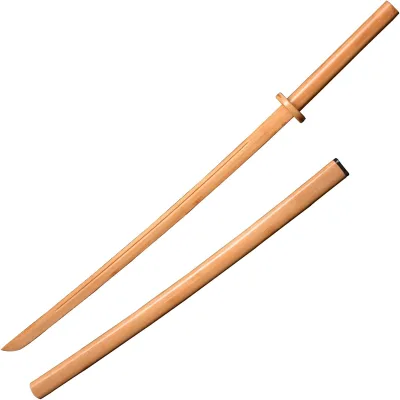


Comprehensive Sourcing Guide
Strategic Sourcing Guide for Hand-Made Hardwood Tsuba Anime Sword Components
Sourcing specialized components for anime sword replicas, specifically hand-made hardwood tsuba (hand guards), requires a disciplined approach that balances artistic authenticity with industrial procurement standards. The market for these items is fragmented, ranging from artisanal workshops to mass-production factories, often operating out of regions with established metal and wood crafting traditions. Buyers must navigate a complex landscape where the term "hand-made" may refer to a specific finishing process or a fully artisanal creation, and where material claims like "hardwood" must be verified against actual product specifications. This guide provides a structured framework for evaluating suppliers, verifying technical attributes, and managing the procurement lifecycle for these specific decorative and cosplay items.
Technical Specifications and Material Verification
The core of any successful procurement for anime sword components lies in the precise definition of technical specifications. In the context of the supplied product data, the term "hand-made" is frequently associated with specific processing techniques such as "Carved" or "Hand-Made" processes, which distinguish these items from purely machine-stamped goods. When sourcing a tsuba, the material composition is paramount. While the keyword specifies "hardwood," the observed product data indicates a significant variance in materials, including "Metal," "Steel," and "Natural Wood Color" finishes. Buyers must explicitly verify if the tsuba is constructed from actual hardwood or if the "Natural Wood Color" is a finish applied to metal or steel substrates.
The physical dimensions and structural integrity are equally critical. The supplied data references specific model numbers such as "MT5007," "EH-N1551," "SS499," and "SS011," which serve as unique identifiers for different design iterations. For anime props, the "Style" is often categorized as "Anime Props" or "Creative," while the "Shape" may be defined as "Cartoon" or "Antique." A buyer must ensure that the selected model number aligns with the specific aesthetic requirements of the anime series in question. Furthermore, the "Overall Length" of the complete sword assembly, noted in the data as 40.9 inches (104cm), provides a reference point for the scale of the tsuba. The tsuba must be proportionally correct relative to the blade length and handle diameter to maintain the visual fidelity of the replica.
The processing method significantly impacts the final product's value. Data points indicate techniques such as "Painted," "Carved," and "Hand-Made." A hand-carved tsuba will exhibit unique grain patterns and subtle imperfections that machine production cannot replicate, adding to its collectible value. However, for cosplay applications where durability is key, a painted metal tsuba might be more practical. The "Nw" (Net Weight) of 0.5kg for certain items suggests that weight is a variable factor that buyers should consider, especially for long-duration cosplay events where heavy props can cause fatigue.
Compliance, Certification, and Safety Standards
In the B2B procurement of decorative items and cosplay props, compliance often centers on safety standards rather than industrial certification. Since these items are frequently used by children or in public events, the materials used must be non-toxic and free from sharp edges that could cause injury. While the supplied data does not list specific certification bodies like ISO or CE, buyers must actively request documentation regarding the safety of the paints and finishes used. The "Customized" nature of the "prod_standard" implies that the manufacturer may not adhere to a single universal standard but rather a client-specific set of requirements.
For products originating from China, as indicated by the "prod_origin" data, buyers should be aware of international shipping regulations regarding hazardous materials, particularly if the items contain specific paints or chemical treatments. The "Carton with Foam" and "10PCS in 1 Carton" packing methods suggest that the manufacturer considers the fragility of the items during transit, which is a proxy for quality control. However, explicit verification of fire resistance or lead content in the paint is necessary for products intended for export to markets with strict consumer safety laws. Buyers should not assume that "Hand-Made" or "Customized" status exempts the product from safety regulations; rather, these features often require more rigorous testing to ensure that the customization process has not introduced new hazards.
Cost Drivers and Pricing Dynamics
The pricing structure for hand-made anime sword components is influenced by a complex interplay of labor intensity, material costs, and order volume. The observed price range in the market data spans from 3 to 299 USD, a variance that reflects the difference between mass-produced metal replicas and high-end, hand-carved wooden or composite pieces. The "MOQ" (Minimum Order Quantity) is a critical cost driver, with observed ranges from 1 to 500 units. Suppliers offering an MOQ of 1 are typically catering to individual collectors or small-scale retailers, often at a premium unit price. Conversely, suppliers requiring an MOQ of 500 pieces are likely targeting bulk buyers, offering lower per-unit costs but requiring significant capital commitment.
The "Customization" attribute is a primary factor in cost escalation. Accepting a "Customized Logo" or specific design modifications usually incurs additional setup fees and higher unit costs. The "Selling Units" being listed as "Single item" for some products suggests that these are ready-to-ship stock items, whereas others requiring "Customized Package" or specific model numbers may involve a longer lead time and higher costs. The "Delivery Time" of 10-30 days further influences the total cost of ownership, as expedited shipping options will add to the base price. Buyers must weigh the cost of customization against the potential market value of a unique product. For instance, a "Natural Wood Color" tsuba that is hand-carved will command a higher price than a "Black" painted steel version, even if the latter is also marketed as "Hand-Made" in terms of assembly.
Typical Applications and Market Segmentation
The applications for hand-made hardwood tsuba and anime sword components are diverse, spanning several distinct market segments. The primary use case identified in the data is "Cosplay Props," where the visual accuracy and lightweight nature of the prop are essential for performance. In this segment, the "Style" of "Anime Props" and "Cartoon" shapes are highly valued. The "Usage" categories also include "Personal Decorations," "Home Decorations," and "Gifts," indicating a secondary market for collectors and interior design enthusiasts. For these buyers, the "Antique" style and "Creative" designs are more relevant than the functional aspects of a cosplay prop.
The "Suitable for" attribute reveals that some products are designed for "Outdoor" use, while others are strictly for "Home" environments. This distinction is crucial for material selection; outdoor props require weather-resistant finishes and durable materials like treated steel or sealed wood, whereas indoor decorations can utilize more delicate finishes and lighter materials. The "Commerce Gift" and "Promotion Gifts" categories suggest that these items are also used for corporate branding or event souvenirs, where the ability to accept a "Customized Logo" is a key selling point. The "Collection" usage highlights the importance of the "Brand," such as "Longquan Sword Master," which adds a layer of authenticity and value for serious collectors. Understanding these segmentation nuances allows buyers to target the right suppliers who specialize in the specific application required.
Supplier Evaluation and Selection Criteria
Evaluating suppliers for hand-made anime sword components requires a multi-faceted approach that goes beyond simple price comparison. The "Customization" capability is a primary filter; suppliers must demonstrate the ability to handle "Customized" requests for logos, colors, and models. The data shows a mix of suppliers offering "Single item" sales and those with high MOQs, so buyers must align their order volume with the supplier's capacity. The "Processing" method, whether "Hand-Made," "Carved," or "Painted," should be verified through sample requests to ensure the claimed technique matches the actual product quality.
Transparency in the supply chain is another critical evaluation metric. The "prod_origin" being China is a common fact, but buyers should verify the specific region or city to understand the local expertise in sword making or woodworking. The "prod_packing" details, such as "Carton with Foam" or "10PCS in 1 Carton," provide insight into the supplier's attention to detail and logistics capabilities. A supplier that packs items carefully is less likely to damage goods during transit, reducing the risk of returns and disputes. Additionally, the "Delivery Time" of 10-30 days should be consistent with the supplier's historical performance. Buyers should request references or case studies from previous clients, particularly those in the "Cosplay" or "Home Decor" sectors, to validate the supplier's reliability and quality consistency.
Quality Control and Long-Term Procurement Considerations
Implementing a robust quality control (QC) protocol is essential for maintaining product integrity, especially for items marketed as "Hand-Made." QC should begin at the raw material stage, verifying that the "Material" matches the specification (e.g., ensuring "Hardwood" is actually wood and not a composite). The "Technique" of "Carving" or "Painting" must be inspected for consistency, ensuring that no rough edges or uneven finishes exist. For "Customized" orders, a pre-production sample must be approved before mass production begins to avoid costly errors. The "Model Number" should be cross-referenced with the final product to ensure the correct design is being manufactured.
Long-term procurement considerations involve building a sustainable relationship with suppliers who can scale with demand. The "MOQ" flexibility is a key indicator of a supplier's adaptability; a supplier willing to work with an MOQ of 1 for initial testing and then scale to 500 for bulk orders offers significant strategic value. The "Lead Time" of 10-30 days should be monitored closely to ensure it remains consistent as order volumes increase. Buyers should also consider the "Packing" efficiency, as optimized packaging can reduce shipping costs and environmental impact. Finally, the "Brand" reputation of the supplier, such as "Longquan Sword Master," can be a long-term asset, signaling a commitment to quality and craftsmanship that benefits the buyer's own brand equity in the market. By focusing on these technical, operational, and relational factors, buyers can secure a reliable supply chain for high-quality anime sword components.
FAQs
What materials are used for hand made hardwood tsuba anime sword?
Materials vary significantly, including metal, steel, and natural wood color finishes. While the keyword specifies hardwood, observed products often use steel or metal substrates with wood-colored finishes rather than solid hardwood construction.
How long is the delivery time for these anime sword components?
The standard delivery time ranges from 10 to 30 days for production and shipping. This timeline applies to both customized orders and standard stock items like the MT5007 or SS011 models listed in the product data.
Which customization options are available for the tsuba components?
Customization is available for logos, colors, and specific model designs. Buyers can request customized packaging, such as cartons with foam, and accept customized logos for promotional gifts or personal decorations.
Can I order a single item of hand made hardwood tsuba anime sword?
Yes, some suppliers offer a minimum order quantity of just one piece for single item sales. However, other vendors may require a minimum order of 500 pieces, so buyers must verify the specific MOQ before purchasing.
What is the origin location for these anime sword props?
The products originate from China, as indicated by the product origin data. This location is common for both hand-made and painted metal components used in cosplay and home decoration.
How are the anime sword components packed for shipping?
Packing methods include cartons with foam or 10 pieces packed in a single carton. Some items use customized packaging to ensure safety during transit, especially for delicate carved or hand-made pieces.